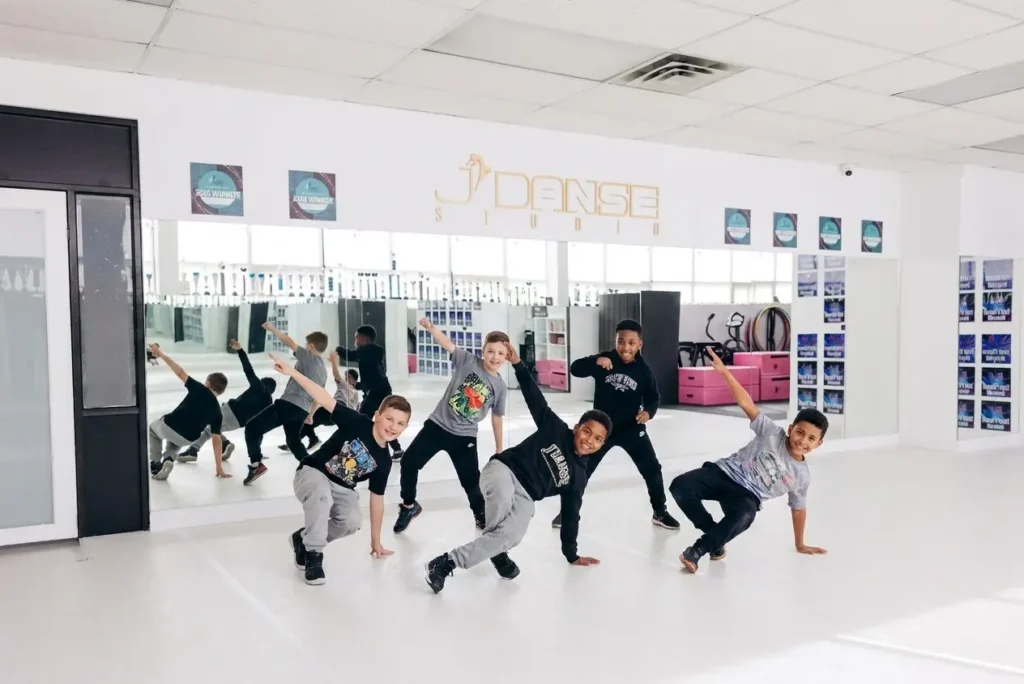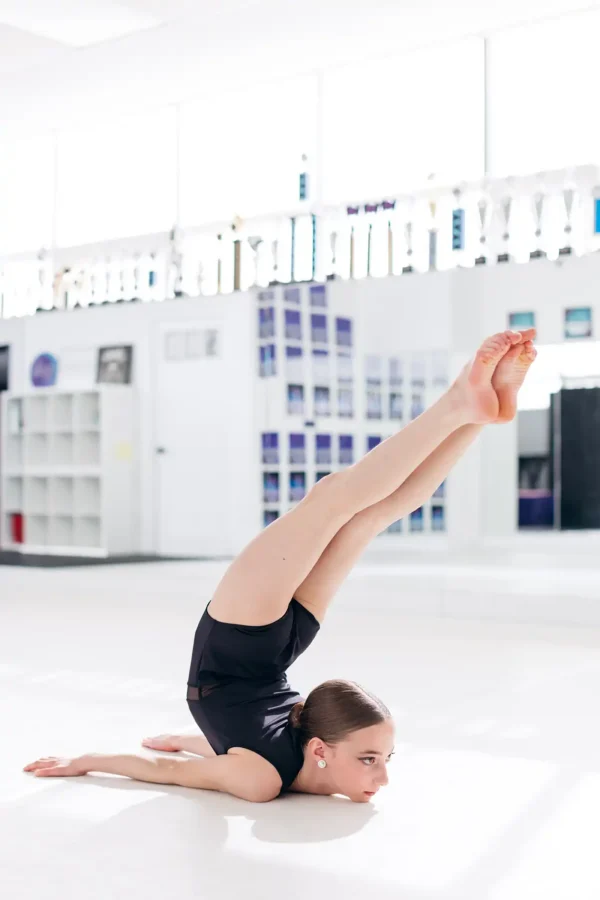
Acro dance for kids is one of the fastest-growing programs at J’Danse Studio in Scarborough — and once you understand what it does for a child’s body, confidence, and overall development, it is easy to see why. Acrobatic dance combines the artistry of dance with the athleticism of gymnastics, creating a style that is visually spectacular, physically demanding, and genuinely transformative for young dancers.
The short answer: Acro dance for kids builds strength, flexibility, balance, and stage confidence simultaneously — and it does so through a progression system that keeps children motivated, challenged, and proud of their achievements. For most children from age 4 onwards, it is one of the best physical activities they can pursue.
At J’Danse Studio in Scarborough, Toronto, our acro program follows the official Acrobatic Arts certified syllabus, taught by Acrobatic Arts certified instructors. Here is exactly what that means for your child.
1. Builds Genuine Physical Strength
Acro dance for kids is one of the most effective forms of functional fitness available to young people. Every skill — from a basic bridge to an advanced aerial — requires the development of core strength, upper body strength, and lower body stability simultaneously.
In contrast to gym-based fitness programs, acro builds strength in a context children find exciting and motivating. A child working toward their first back walkover is not thinking about another set of core exercises. They are chasing a skill they want — and the strength develops naturally in pursuit of that goal. As a result, children who train in acro regularly develop noticeably stronger core muscles, better posture, and greater overall body control.
2. Develops Flexibility That Lasts
Flexibility is one of the most important physical attributes a young dancer can develop. Furthermore, childhood is the optimal window to develop it — the flexibility children build between ages 4 and 12 is significantly easier to achieve than the same range of motion attempted in adulthood.
Acro training incorporates structured stretching and progressive flexibility work into every class. Students work toward splits, backbends, and overhead flexibility through a safe, supervised, gradual progression designed to prevent injury and build lasting range of motion.
In addition, the flexibility developed in acro directly benefits every other dance style. Jazz turns become cleaner. Lyrical extensions become longer. Ballet lines improve. Acro flexibility is an investment that pays dividends across a dancer’s entire training career.
3. Teaches Balance and Body Awareness
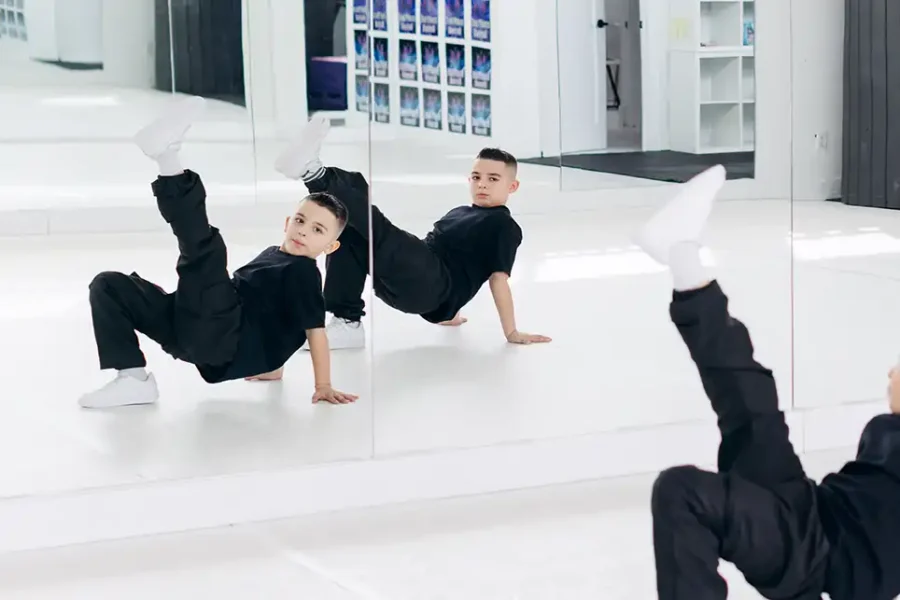
Acro skills require an extraordinarily refined sense of balance and spatial awareness. Handstands, cartwheels, and partner work all demand that a child understands precisely where their body is in space — a skill known as proprioception. Children who train in acro consistently demonstrate better coordination, more awareness of posture and positioning, and greater physical confidence across all activities — not just dance.
4. Builds Confidence Through Earned Achievement
One of the most powerful aspects of acro dance for kids is its progression-based structure. Skills organize into a clear sequence — each one building on the last — so students always have a next goal to work toward and a recent achievement to feel proud of.
The moment a child lands their first cartwheel, holds their first handstand, or executes their first back walkover is a moment of genuine personal triumph. These are hard skills that require real effort, and children understand that. For example, the confidence that comes from achieving something difficult — under their own power, through their own persistence — is qualitatively different from the confidence that comes from participation alone.
5. Acro Is Taught Safely Through Certified Instruction
Safety in acro dance for kids depends entirely on the qualifications and training of the instructor. Acrobatic skills taught incorrectly or rushed carry a real risk of injury to young bodies.
The Acrobatic Arts certification is the industry standard for safe acro dance education in North America. According to Acrobatic Arts, the syllabus is specifically designed around age-appropriate progressions, injury prevention protocols, and the biological development of young bodies. Every skill introduces at the right time, in the right sequence, with proper conditioning before any advanced work begins.
At J’Danse Studio, Ms Katherine, Ms Sarah, and Mrs Janie all hold full Acrobatic Arts certification. As a result, parents can enroll with confidence that their child receives properly sequenced, safety-first instruction at every class.
6. Makes Competitive Dancers More Versatile
For families considering competitive dance, acro is a particularly valuable addition to a dancer’s training. Acro skills carry high value in competition, and dancers who seamlessly integrate acrobatic elements into jazz, lyrical, or musical theatre routines hold a significant edge on stage.
In addition, many of our Team JDS competitive dancers train in acro as a core part of their competitive preparation. The combination of technical dance training and certified acro work creates well-rounded performers who stand out at regional and national events.
Is Acro Right for My Child?
Acro dance for kids suits most children from age 4 onwards. No prior gymnastics experience is necessary — classes structure around complete beginners at every level. What matters most is that your child enjoys physical movement and responds positively to progressive challenge.
The best way to find out is to try a class. J’Danse Studio offers a free trial class for all new students — no commitment required.
Learn more about our Acro Dance program or contact us to book your child’s free trial today.