Jazz is one of the most requested dance styles at J’Danse Studio, and for good reason — it’s energetic, expressive, and builds a set of skills that transfer directly into almost every other style a dancer might try later.
The short answer: jazz develops rhythm, flexibility, coordination, and performance confidence all at once, which makes it one of the strongest foundational styles for a young dancer — beginner or not.
What Makes Jazz a Good Foundation
Rhythm and musicality — jazz choreography is built directly on the music, so dancers develop a strong internal sense of timing that carries over into tap, hip hop, and lyrical. A dancer who understands how to hit a beat in jazz rarely struggles to find rhythm in another style later.
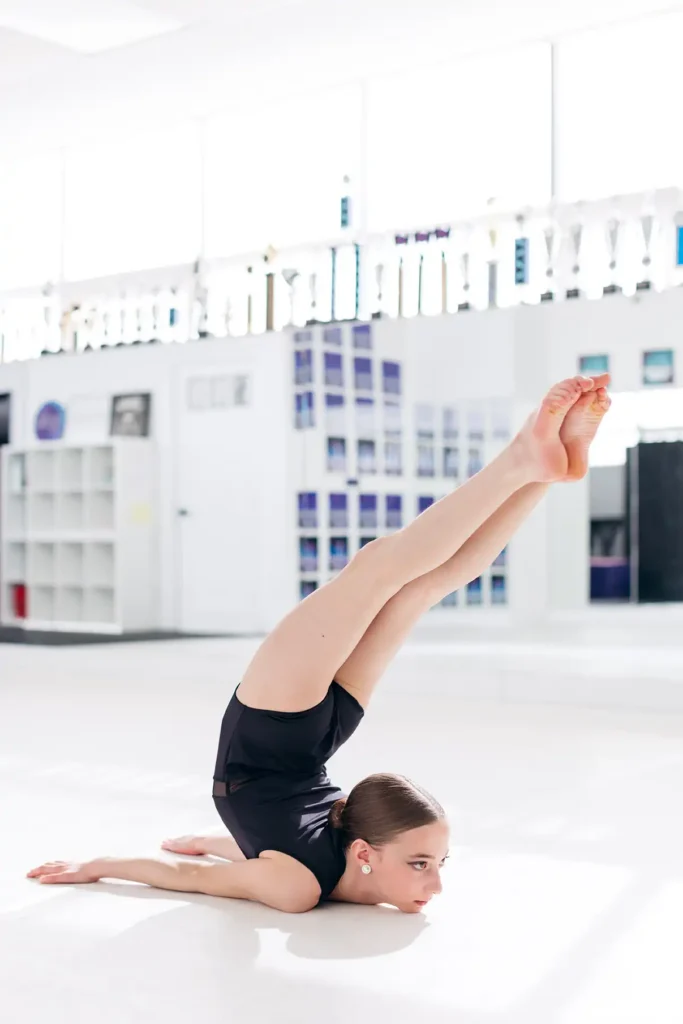
Flexibility and strength — jazz technique includes kicks, leaps, and turns that build the same flexibility and core strength used in acro and ballet. The splits, extensions, and jumps that show up in a jazz combination are the same physical vocabulary a dancer will need if they move into more advanced ballet or acro training.
Performance confidence — jazz is expressive and often performance-focused from an early level, which helps even shy dancers get comfortable being watched. Because jazz choreography is usually built to be performed, not just practiced, students get used to projecting energy outward early on.
Sharp, controlled movement — unlike some softer styles, jazz demands precision and control in every movement, which builds body awareness quickly and translates into cleaner technique across the board.
How Jazz Compares to Other Styles
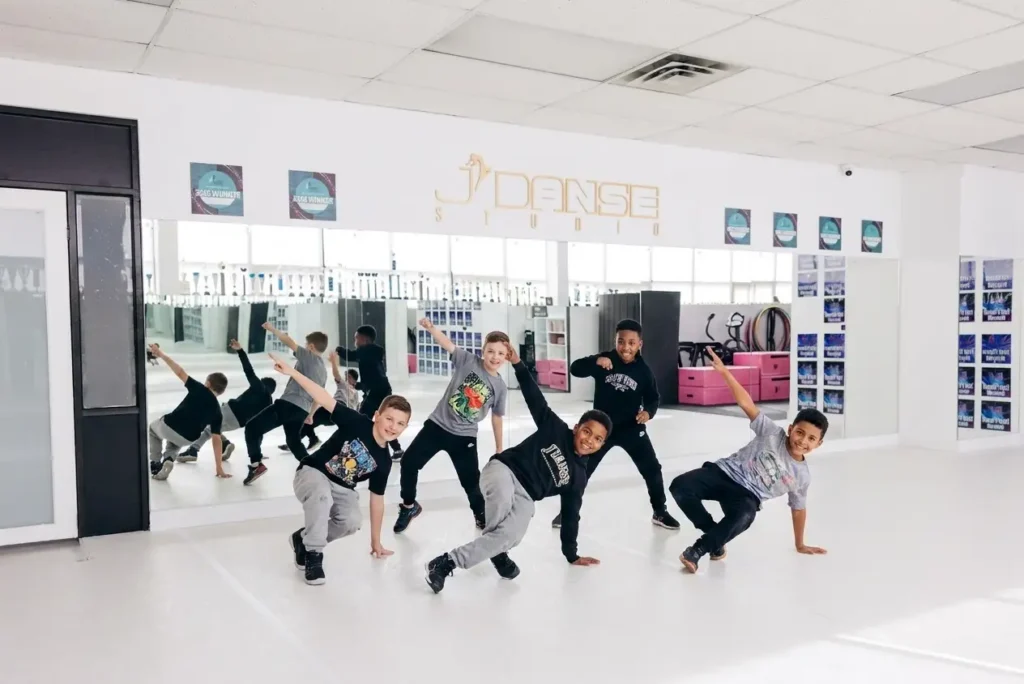
Ballet builds the deepest technical foundation but progresses more slowly and requires more patience from young dancers. Jazz moves faster and feels more immediately rewarding — students see visible progress within weeks rather than months, which is part of why it’s such a popular entry point. Hip hop shares jazz’s energy but is more focused on freestyle and street-style movement rather than the technical vocabulary jazz draws from classical dance. Lyrical is closer to jazz’s expressive side but slower and more emotionally driven. Many dancers end up loving jazz precisely because it sits in the middle — technical enough to build real skill, energetic enough to stay exciting.
Who Jazz Is Good For
Jazz tends to suit energetic kids who like quick combinations and visible progress — many parents describe it as the style where their child seems to “get it” the fastest. It’s also a natural second style for dancers already in Ballet or Acro, since it uses overlapping technique in a completely different, faster-paced context. Kids who enjoy performing, love music, or get bored with slower-paced instruction tend to gravitate toward jazz quickly.
What a Jazz Class Looks Like
A typical jazz class at J’Danse Studio starts with a warm-up focused on flexibility and cardio, since jazz technique demands both. From there, class moves into technical drills — kicks, turns, jumps, and isolations — before building into a combination or short piece of choreography that puts those skills into a real performance context. Younger levels spend more time on the fundamentals and less on complex choreography; more advanced and competitive levels spend significant class time refining performance quality and precision, not just learning new steps.
What Age Can Kids Start Jazz?
J’Danse Studio’s jazz program runs from Mini Jazz for ages 4 to 5 through to competitive-level elite jazz training for advanced teen dancers. Complete beginners are welcome at every level — jazz doesn’t require a ballet background to start, though dancers who already have one tend to pick up jazz technique quickly since so much of the vocabulary overlaps.
Jazz as Part of a Competitive Path
For dancers interested in competitive training, jazz is one of the core styles on Team JDS, alongside ballet and acro. Competitive jazz choreography demands the same rhythm and expressiveness as recreational jazz, just performed with a higher level of technical precision and stamina — which is exactly why the recreational jazz program builds the same skills from day one, just at a pace appropriate to each level.
What to Wear to Jazz Class
Jazz classes at J’Danse Studio require jazz shoes and fitted dancewear. Full details are on the Dress Code page, and new students get a three-week grace period to get the right gear.
How Long Does It Take to See Progress?
Jazz tends to reward new students faster than some other styles — most beginners can feel visible improvement in basic kicks, turns, and combinations within the first few weeks, simply because jazz choreography is designed to be performed, not just drilled. That doesn’t mean the technique is easy — clean jazz technique takes years to fully develop, the same as any style — but the early sense of accomplishment tends to keep young dancers motivated through the harder technical work that comes later.
Common Questions About Jazz Dance Classes
Does my child need ballet experience before starting jazz?
No — jazz is a great starting style on its own, though a ballet background does make some of the technique easier to pick up.
Is jazz good for a shy child?
Often, yes — the performance-focused nature of jazz tends to build confidence gradually, in a supportive class environment rather than under pressure.
How is jazz different from hip hop?
Jazz draws on classical dance technique and is generally more structured; hip hop is rooted in street-style and freestyle movement. Both are energetic, but they build different skills.
Can jazz be combined with another style?
Yes — jazz pairs especially well with ballet, tap, and acro, since the technique in each reinforces the others.
Does jazz help with other sports, not just other dance styles?
Often, yes. The flexibility, coordination, and body control jazz builds carry over into gymnastics, cheerleading, and other sports that reward agility and rhythm.
Ready to Try Jazz?
Whether it’s your child’s first style or an addition to their current classes, jazz is one of the most rewarding places to start at J’Danse Studio.